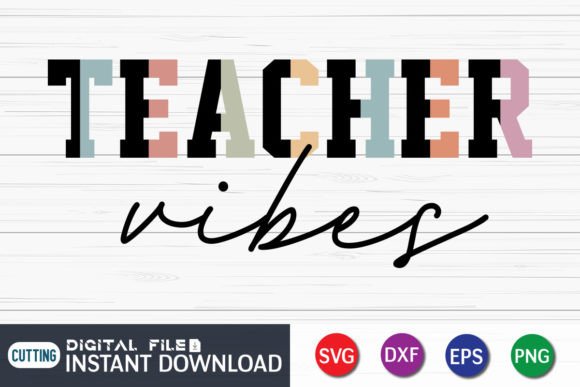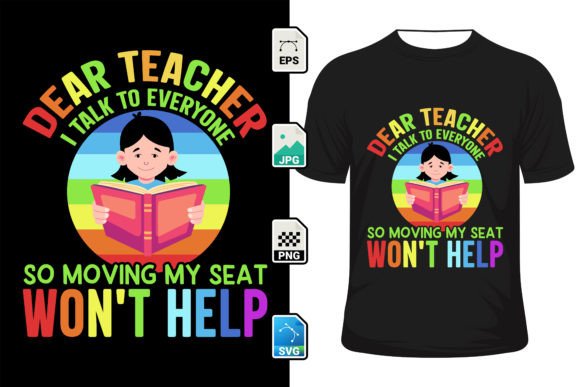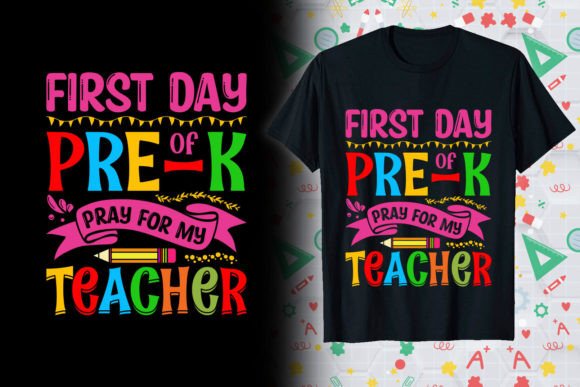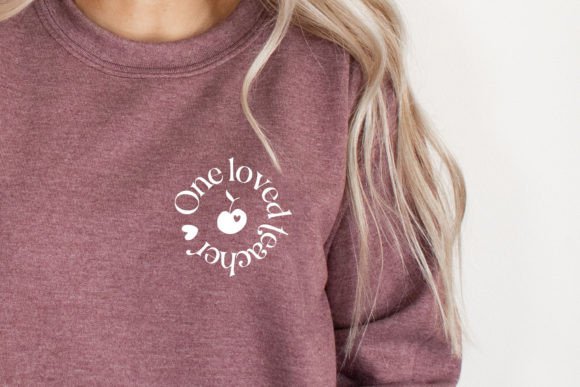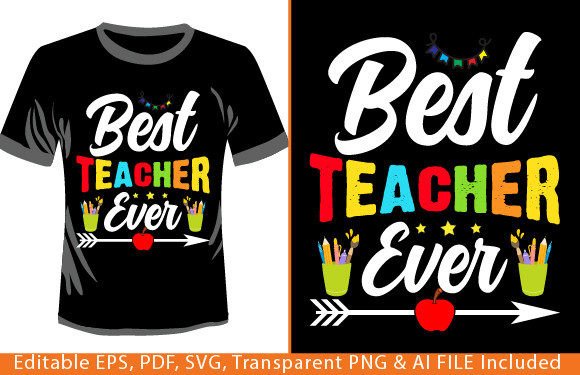
Best Teacher Ever Back to School T-shirt
First Impressions: Warm, Clear, and Ready for Real Stitches
When I opened the Best Teacher Ever Back to School T-shirt design file, my eye went straight to the balance—friendly script lettering paired with a simple, confident icon (a chalkboard, apple, or pencil, depending on the version). It doesn’t shout. It smiles. That’s rare in school-themed graphics, where clutter and over-embellishment often dilute sincerity. As an embroidery designer who’s stitched hundreds of teacher gifts—from kindergarten thank-you to retirement tributes—I immediately sensed this one would translate well from screen to fabric. The layout feels intentional: generous spacing between letters, no overlapping elements, and clean negative space that breathes when stitched.
A Real Project Test: Embroidering This on a Linen-Cotton Kitchen Towel
Last week, I used the Best Teacher Ever Back to School T-shirt design to embroider a set of custom tea towels for a local teacher appreciation pop-up. I chose a medium-weight linen-cotton blend—not the easiest fabric for crisp satin stitch, but one teachers love for its texture and durability. With light tear-away stabilizer and 40-weight rayon thread in navy and cream, the result was warm, legible, and quietly professional. No puckering. No skipped stitches. The letterforms held their shape beautifully, even at 3.8 inches wide—the size I used to keep it prominent but not overwhelming on the towel’s front panel. Customers didn’t just buy them—they paused, smiled, and said, “That’s *exactly* how I feel about my daughter’s third-grade teacher.” That kind of resonance matters more than pixel-perfect vector lines.
Where It Shines—and Where It Needs Thoughtful Handling
The Best Teacher Ever Back to School T-shirt works exceptionally well for:
- Custom apparel: Sweatshirts, crewnecks, and cotton tees—especially with mid-to-large hoop sizes (5x7" or larger)
- Embroidered patch: Clean outlines and moderate detail make it ideal for iron-on or sew-on patches on backpacks or aprons
- Baby embroidery: When scaled down to ~2.5", it reads clearly on onesies or bibs—just avoid dense fill areas near seams
- Holiday embroidery: Perfect for back-to-school gift bundles, end-of-year appreciation kits, or staff welcome boxes
- Craft business and Etsy seller use: Its friendly tone supports handmade presentation without feeling generic
But be mindful on:
- Stretchy fabric: Use cut-away stabilizer and reduce stitch density slightly—those smooth curves can distort if tension isn’t balanced
- Dark fabric: Test thread contrast first. Some versions rely on subtle shading; on black or charcoal, you may need brighter thread (e.g., gold or white) for full impact
- Curved surfaces: Caps or curved tote handles require repositioning the design—avoid placing small lettering across seams or high-drape zones
- Tiny lettering: The phrase “Best Teacher Ever” holds up well at 3", but shrinking further risks legibility—especially with running stitch outlines or fine serifs
- Frequent-wash items: Confirm stitch density isn’t too aggressive—dense fills on lightweight cotton can stiffen and crack after repeated laundering
Design Integrity Meets Commercial Practicality
What makes the Best Teacher Ever Back to School T-shirt stand out among T-Shirt Designs and Graphics is its restraint. There’s no gratuitous glitter effect, no layered drop shadows, no overly tight kerning that collapses under satin stitch. That means fewer editing passes before stitching—and less risk of customer disappointment when the finished product arrives. For a small shop owner or Etsy seller, that directly affects return rates, review sentiment, and repeat orders. I’ve seen too many “cute” designs fall apart in embroidery: letters bleeding into each other, icons losing definition, or fill stitches creating stiff, plasticky patches. This one avoids those pitfalls by design—not luck.
Practical Notes Every Embroidery Designer Should Check
Before committing to production, run these checks:
- Test the design on scrap fabric—same weight and weave as your final product
- Review stitch density in your embroidery software; look for dense clusters that could cause buildup or stiffness
- Confirm hoop size compatibility; some versions include alternate layouts for smaller hoops (4x4")—verify before digitizing
- Inspect small details like dot accents or fine stems—do they hold at your target size?
- Try black-and-white mockups; if it reads clearly in monochrome, it’ll work across fabric colors and lighting conditions
- Compare light vs. dark fabric backgrounds; adjust thread colors accordingly—not just for contrast, but emotional tone
- Use proper stabilizer for your base fabric—lightweight tear-away for stable cotton, cut-away for knits or blends
- Confirm licensing before selling finished items or bundling the Best Teacher Ever Back to School T-shirt as part of digital embroidery file collections
Final Thought: It’s Not Just a Graphic—It’s a Moment Made Tangible
I recently stitched this onto a soft, unbleached cotton pillow cover for a new teacher’s nursery. No frills. No extras. Just the phrase, centered, in gentle navy. When she unwrapped it, she traced the stitches with her finger and said, “It feels like someone *saw* me.” That’s the quiet power of thoughtful design—especially in embroidery, where every stitch carries intention. The Best Teacher Ever Back to School T-shirt doesn’t try to do everything. It does one thing, well: honor with warmth, clarity, and craft. And for handmade product makers, personalized gift creators, and small shop owners, that’s not just practical—it’s essential.